The First-Timer's Guide to Yerevan: Where to Stay, What to Do, and When to Go
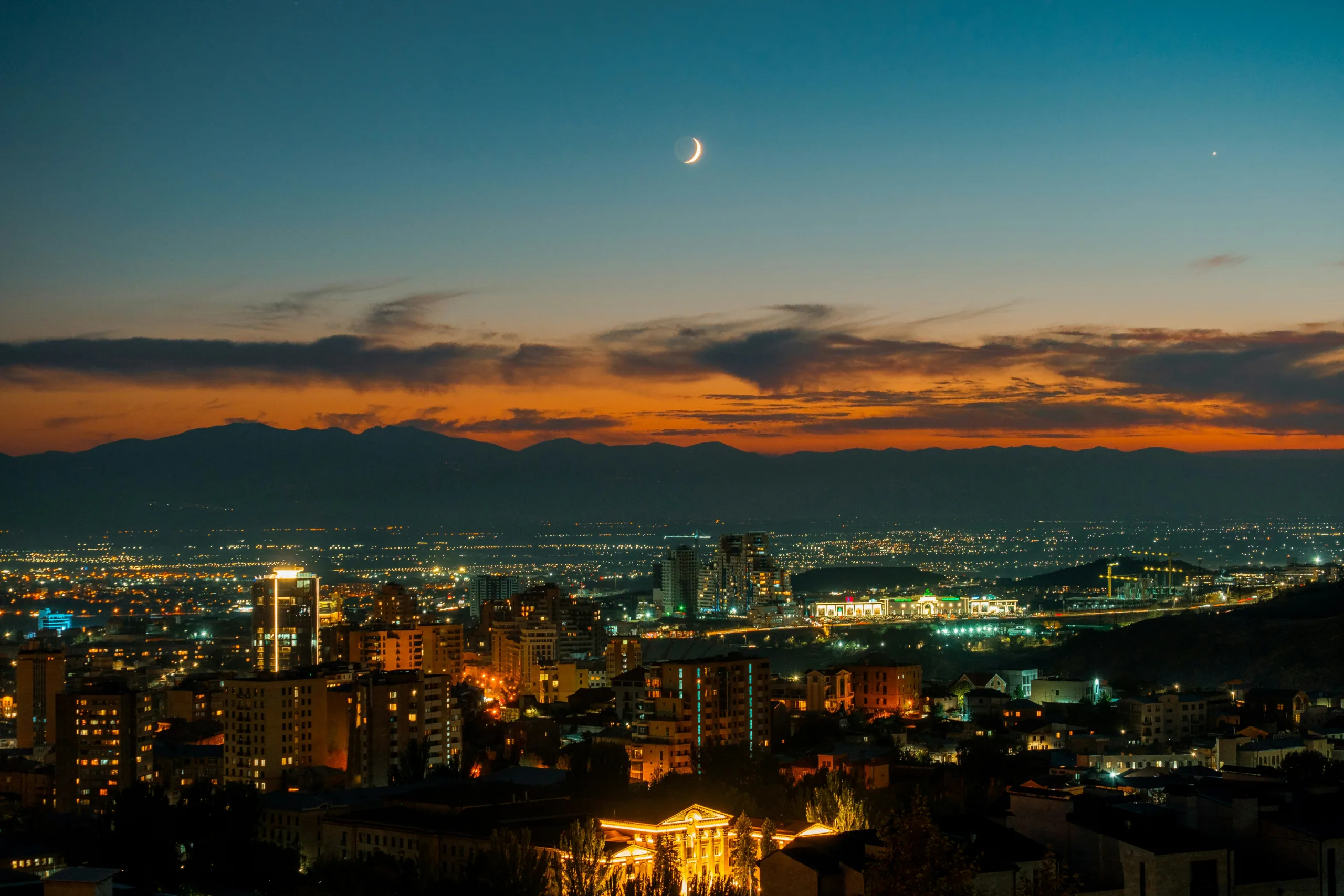
Yerevan is one of the oldest continuously inhabited cities on earth — founded in 782 BC, older than Rome — and yet it wears its age lightly. This is a city of pink tufa stone buildings, tree-lined boulevards, open-air cafés that stay full past midnight, and, on a clear morning, the twin peaks of Mount Ararat floating above the skyline. It's walkable, warm, and refreshingly easy for a first visit.
If you're planning your first trip, here's everything worth knowing before you go.
How many days do you need?
For the city itself, three full days is the sweet spot — enough to see the landmarks without rushing, sit in the cafés like a local, and still leave room to wander. Add two or three more days if you want to pair Yerevan with day trips (and you should — some of Armenia's best sights are a short drive away).
- 48 hours: the core landmarks, Cascade, Republic Square, and the museums.
- 3–4 days: the above, plus a slower pace, a food crawl, and one day trip.
- 5+ days: Yerevan as your base for the temple at Garni, Geghard Monastery, Lake Sevan, and the mountains at Tsaghkadzor.
Where to stay in Yerevan
Yerevan is compact, but each area has its own character. Here's how the main neighborhoods compare for a first-timer:
Kentron (the city center) — This is where most visitors want to be. Republic Square, the Opera House, the Cascade, and the best restaurants are all within walking distance, and you can reach almost everything on foot. It's lively day and night. Browse stays in central Yerevan to see what's available.
Around the Cascade & Opera — Slightly quieter but still central, this pocket puts you next to the city's cultural heart and the leafy Northern Avenue. Great for a first trip if you want calm evenings and short walks into the action.
Residential districts (a short drive out) — Areas a little further from the center trade walkability for space, quiet, and value. If you're renting a car or don't mind a 15–20 minute ride into town, you'll often get a larger, more relaxed place. Just check the travel time to the center before you book.
> Tip: Yerevan runs late. If you're a light sleeper, ask whether your stay faces a main street or a courtyard — the difference between a buzzing balcony and a silent night can be one floor.
See the full range of places on the Yerevan guide, or browse every stay across Armenia.
What to do in Yerevan
You won't run out of things to do. Start with these:
- Climb the Cascade. A giant limestone stairway of fountains, sculpture, and terraces, with one of the best views over the city and Ararat from the top. The Cafesjian Center for the Arts is built right into it.
- Stand in Republic Square. The pink-and-cream heart of the city, ringed by grand buildings and, in the evening, the musical fountain show.
- Visit the museums. The History Museum of Armenia and the National Gallery share one building on Republic Square. The Matenadaran holds thousands of ancient manuscripts, and the Sergei Parajanov Museum is a joy for film lovers.
- Pay respects at Tsitsernakaberd. The Armenian Genocide memorial and museum — a quiet, moving hilltop with sweeping views.
- Wander the Vernissage market (weekends) for handmade crafts, carpets, and khachkar carvings.
- Sit in a café and do nothing. It's a local art form. Order coffee, watch the street, stay an hour longer than you meant to.
For guided walks, art-and-cinema tours, and half-day experiences run by locals, browse tours in Yerevan and hands-on experiences.
Easy day trips from Yerevan
Some of the country's most spectacular places are within a couple of hours of the capital — which is exactly why Yerevan makes such a good base:
- Garni & Geghard — A first-century Greco-Roman temple perched above a gorge, paired with a monastery carved directly into the mountainside. The classic half-day trip.
- Lake Sevan — One of the largest high-altitude lakes in the world, with a hilltop monastery and, in summer, a proper beach day.
- Tsaghkadzor — Armenia's mountain-resort town: cable cars, forest trails, and cool alpine air in summer, skiing in winter. See the Tsaghkadzor guide.
- Khor Virap — A monastery on the plain with the most iconic view of Mount Ararat you'll find anywhere.
When to go
Armenia has four distinct seasons, and Yerevan sits in a high, dry valley:
- Spring (April–June): Arguably the best time — green hills, wildflowers, mild days, and clear Ararat views. Ideal for city walking and day trips.
- Summer (July–August): Hot and dry in the city (often well into the 30s °C). Perfect for Lake Sevan and the mountains at Tsaghkadzor, where it's cooler.
- Autumn (September–October): Warm days, cool evenings, harvest season, and the year's best food and wine. A superb time to visit.
- Winter (December–February): Cold and crisp in the city, snowy in the mountains — ski season in Tsaghkadzor, and a quieter, cozier Yerevan.
Good to know before you go
- Currency: The Armenian dram (֏, AMD). Cards are widely accepted in the city, but carry some cash for markets, taxis, and smaller villages.
- Getting around: Central Yerevan is walkable. For everything else, ride-hailing apps are cheap and easy, and the metro is simple and inexpensive.
- Language: Armenian is the official language; Russian is widely understood, and English is common in tourist-facing spots and among younger people.
- People: Armenian hospitality is real and generous. Expect to be offered coffee, fruit, or a story — and to leave with a few new friends.
Ready to plan?
Once you've picked your dates, let our AI trip planner build a day-by-day itinerary from real, bookable places across Armenia — or start by browsing where to stay in Yerevan. And when you get hungry, our guide to the 10 dishes you have to try will point you at the good stuff.
Barev, and welcome to Yerevan. You're going to love it.